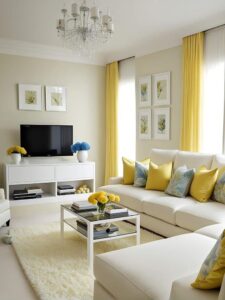
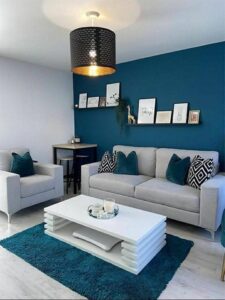
High-traffic areas (e.g., living rooms, hallways): Opt for durable materials like nylon or wool blends with low pile (e.g., Berber or loop pile) for easy maintenance and longevity. Stain-resistant treatments like solution-dyed fibers are ideal.
Low-traffic areas (e.g., bedrooms): Choose softer, more luxurious options like cut-pile carpets (e.g., Saxony or Frieze) for comfort underfoot.
Special considerations: For homes with pets or kids, prioritize stain-resistant and easy-to-clean carpets like polyester or triexta (e.g., SmartStrand).
Material Matters
Wool: Luxurious, durable, naturally stain-resistant, and eco-friendly but expensive. Ideal for formal spaces.
Nylon: Highly durable, stain-resistant, and budget-friendly. Great for high-traffic areas.
Polyester: Soft, vibrant colors, and affordable but less durable. Good for low-traffic spaces.
Polypropylene (Olefin): Budget-friendly, stain-resistant, and fade-resistant, but less soft. Suitable for outdoor or basement use.
Natural fibers (e.g., sisal, jute, seagrass): Eco-friendly and textured but less durable and harder to clean. Best for low-traffic, decorative spaces.
Choose the Right Pile
Cut pile: Soft and plush (e.g., Saxony for formal rooms, Frieze for casual spaces).
Loop pile: Durable and textured (e.g., Berber for high-traffic areas).
Cut-and-loop: Combines both for visual interest and durability, great for modern designs.
Color and Pattern
Neutral tones (beige, gray, cream): Versatile, timeless, and forgiving for dirt. Ideal for resale homes or minimalist aesthetics.
Bold colors: Make a statement in rooms with neutral furniture but consider fading in sunlit areas.
Patterns: Geometric or subtle patterns (e.g., herringbone, chevron) add personality and hide stains. Use in contemporary or eclectic spaces.
Light vs. dark: Light colors make small rooms feel larger; dark colors add coziness but show lint more easily.
Size and Placement
For area rugs, ensure proper sizing:
Living room: Rug should anchor furniture (e.g., front legs of sofa on the rug, or all furniture on it for larger spaces). Common sizes: 8×10 ft or 9×12 ft.
Dining room: Rug should extend 24–36 inches beyond the table to accommodate chairs. Common sizes: 8×10 ft or larger.
Bedroom: Place under the bed, extending 18–24 inches on sides and foot. Common sizes: 8×10 ft for queen, 9×12 ft for king.
Use rug pads to prevent slipping and extend rug life.
Budget and Quality
Set a budget but prioritize quality for high-traffic areas. Look for certifications like CRI Green Label Plus for low VOC emissions.
Compare warranties (e.g., 5–25 years for wear, stain, or fade resistance).
For cost savings, consider carpet tiles for easy replacement or remnants for smaller spaces.
Sustainability
Choose eco-friendly options like wool, recycled polyester, or natural fibers.
Look for carpets with recyclable backing or those made from sustainable sources (e.g., certified by Carpet and Rug Institute).