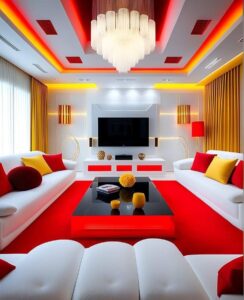
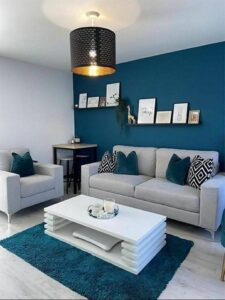
Interior design can elevate a space’s functionality, comfort, and aesthetic appeal. Below are concise, practical tips to guide you in creating a cohesive and stylish interior, covering key principles and trends up to my knowledge in 2025. These tips complement the carpet selection advice previously provided and apply broadly to any space.
General Interior Design Tips
- Define Your Style
- Identify your aesthetic: Modern, minimalist, bohemian, traditional, industrial, Scandinavian, etc.
- Create a mood board (physical or digital, e.g., Pinterest) with colors, textures, and furniture inspiration to maintain consistency.
- Mix styles thoughtfully (e.g., modern furniture with vintage accents) for a personalized look.
- Plan the Layout
- Function first: Arrange furniture based on the room’s purpose (e.g., conversation in living rooms, workflow in offices).
- Use online tools like Floorplanner or SketchUp to test layouts.
- Ensure clear pathways (at least 30–36 inches for walkways) and avoid blocking natural light.
- Focal points: Highlight architectural features (e.g., fireplaces) or create one with a statement piece (e.g., artwork, accent wall, or rug).
- Color Palette
- Follow the 60-30-10 rule: 60% dominant color (walls, large furniture), 30% secondary color (rugs, curtains), 10% accent color (pillows, decor).
- Use neutral bases (white, gray, beige) for flexibility, adding pops of color through accessories.
- Trending colors (2023–2025): Earthy tones (terracotta, sage, ochre), soft pastels, and bold jewel tones (emerald, sapphire).
- Test paint samples in natural and artificial light before committing.
- Lighting is Key
- Layer lighting for ambiance and function:
- Ambient: General lighting (e.g., ceiling fixtures).
- Task: Focused lighting (e.g., desk lamps, under-cabinet lights).
- Accent: Decorative lighting (e.g., wall sconces, string lights).
- Use dimmable lights for flexibility.
- Maximize natural light with sheer curtains or mirrors opposite windows to reflect light.
- Layer lighting for ambiance and function:
- Furniture Selection
- Choose pieces proportional to the room size (e.g., avoid oversized sofas in small spaces).
- Invest in quality for high-use items (sofas, beds) and save on decorative pieces.
- Multi-functional furniture (e.g., storage ottomans, foldable tables) is ideal for small spaces.
- Mix textures (e.g., leather sofa with linen pillows) for depth.
- Textures and Layers
- Combine materials like wood, metal, glass, and textiles (e.g., wool rugs, velvet cushions) for visual interest.
- Layer rugs, throws, and pillows to add warmth and dimension.
- Use natural elements (e.g., plants, stone accents) for a biophilic design trend that promotes calm.
- Walls and Art
- Create accent walls with bold paint, wallpaper, or textures (e.g., wood panels, brick).
- Hang art at eye level (about 57–60 inches from the floor to the center of the piece).
- Mix frame styles and sizes for a gallery wall, keeping a cohesive color scheme.
- Use oversized art for drama or smaller clusters for charm.
- Storage and Decluttering
- Incorporate built-in or hidden storage (e.g., shelves, under-bed storage) to keep spaces tidy.
- Follow the “one in, one out” rule to avoid clutter.
- Use decorative baskets, trays, or boxes to organize while adding style.
- Personal Touches
- Display meaningful items (e.g., family heirlooms, travel souvenirs) to make the space yours.
- Rotate seasonal decor (e.g., lighter textiles in summer, cozy blankets in winter) for freshness.
- Avoid overcrowding—edit decor to maintain balance.
Room-Specific Tips
- Living Room:
- Anchor the space with a rug (as noted in carpet tips: front legs of furniture on the rug for smaller spaces, or all furniture on for larger rooms).
- Arrange seating to encourage conversation (e.g., U-shaped or L-shaped layouts).
- Add a coffee table or ottoman as a functional centerpiece.
- Bedroom:
- Prioritize comfort with a quality mattress and soft bedding (e.g., high-thread-count cotton or linen).
- Use symmetry (e.g., matching nightstands and lamps) for a calming effect.
- Incorporate a headboard or textured wall behind the bed as a focal point.
- Kitchen:
- Opt for durable, easy-to-clean surfaces (e.g., quartz countertops, ceramic tiles).
- Add open shelving for style and accessibility, displaying curated dishes or plants.
- Use pendant lights or under-cabinet lighting for task efficiency and ambiance.
- Bathroom:
- Choose moisture-resistant materials (e.g., porcelain tiles, waterproof paint).
- Add warmth with textiles (e.g., plush towels, a small rug).
- Incorporate storage (e.g., floating shelves, vanity cabinets) for a clutter-free look.
- Dining Room:
- Select a table size that fits the space (allow 36 inches around for chair movement).
- Use a statement chandelier or pendant light above the table.
- Layer a rug under the table (extending 24–36 inches beyond, as noted in carpet tips).